In December 2024, the Ministry of Finance released a notice (No. 269 [2024]) to promote NEVs through government procurement, aiding green transformation. It aligns with several national guidelines, showing high importance for the NEV industry.
Key points:
1. Demand Management and Demonstration:
Buyers should understand NEV functions and prioritize them for official use, emphasizing both quality and suitability.
2. Explicit Procurement Ratios:
Target: Annual NEV procurement ratio for departments should be no less than 30%.
Scenarios: For fixed routes or simple scenarios like confidential communication, the ratio should ideally be 100%.
Leasing: Prioritize NEVs when procuring vehicle leasing services.
I. Impact on the NEV Industry
1. Market Demand Growth:
Policy Drive: Demand will surge. If the 30% ratio is met in 2025, the market scale in gov procurement will grow significantly.
Sales Increase: It’s expected to add hundreds of thousands of units in this sector by 2025.

2. Technical Progress and Upgrading:
R&D Investment: To meet high performance needs, companies will invest more in batteries, range, and smart driving.
Diversification: More types like electric buses, taxis, and official cars will be launched for different scenarios.
3. Intensified Competition:
Brand Competition: More firms will enter the gov market. Brands with technical advantages like BYD or CATL will be major beneficiaries.
Price Competition: Firms might compete on price, benefiting consumers.
II. Impact on the Charging Station and Pile Industry
1. Surge in Demand: Double Increase in Construction and Usage
Construction and usage frequency will see obvious growth driven by policy and vehicle usage.
2. Investment Opportunities: Policy and Market Driven
Operators can seize opportunities with potential gov support like subsidies or tax incentives to lower costs.

3. Technical Innovation: Smart Charging and Efficient Management
R&D will focus on smart, wireless, and fast charging, using IoT and big data for intelligent management and resource allocation.
III. Charging Needs Analysis of Gov Agencies
Agencies need to consider efficiency, safety, stability, and system compatibility.
1. Efficiency and Convenience
High frequency: Official cars need fast replenishment for work continuity.
Multi-car management: Agencies have diverse vehicles needing efficient management of resources.
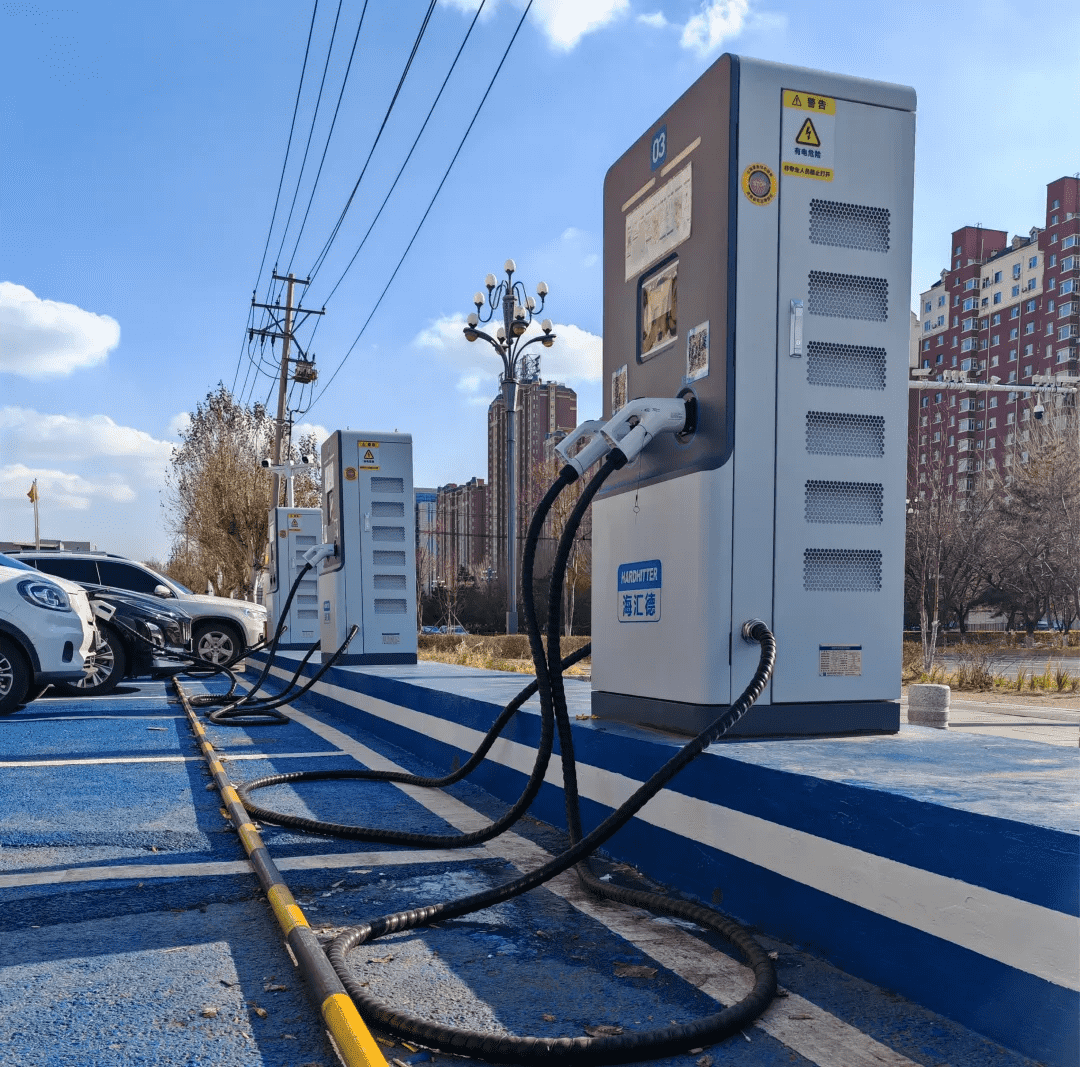
2. Safety and Reliability
High requirements: Safety is paramount, requiring full protection mechanisms.
Stable operation: Piles must work in all conditions like extreme heat or cold.
3. Intelligence and Data Management
Smart management: Agencies need real-time monitoring and data analysis for efficiency.
Data self-operation: High requirements for data security and privacy, supporting self-operation.
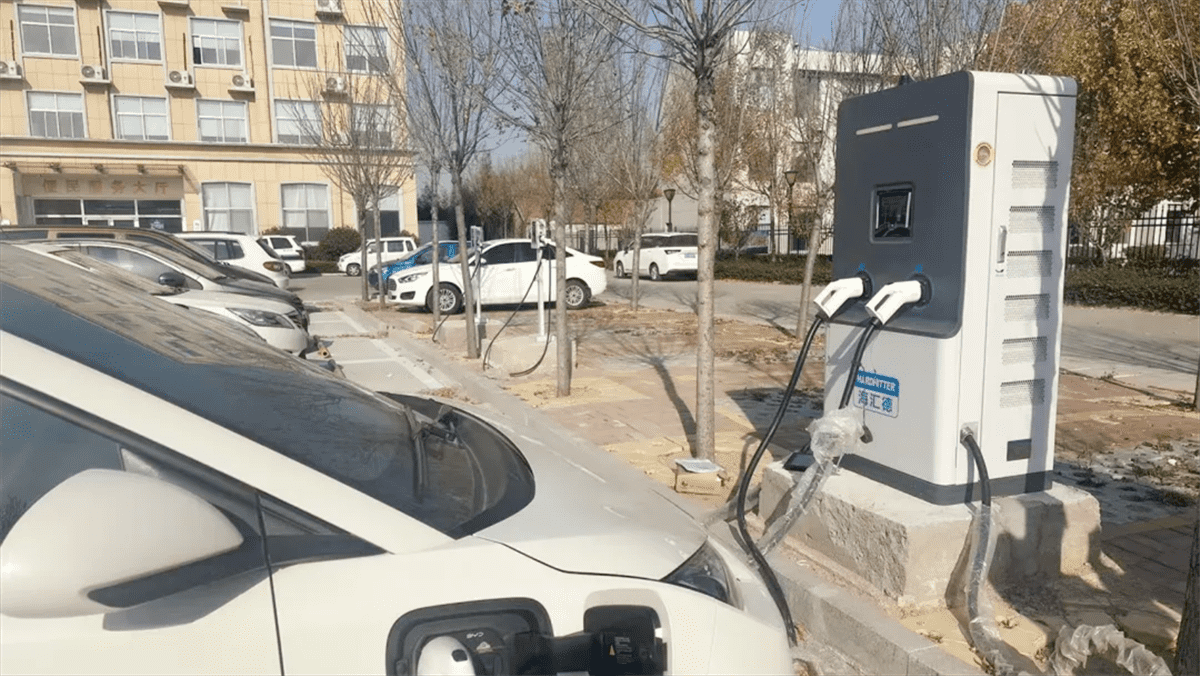
4. Environment and Sustainability
Green travel: Public sectors should lead in energy saving.
IV. HARDHITTER Piles: Ideal Choice for Gov and Agency Use
With smart scheduling, modular design, liquid-cooling, and cloud platforms, HARDHITTER meets diverse needs.
1. Smart Scheduling for Efficiency
Allocates power based on real-time needs and battery status, prioritizing low-battery cars.
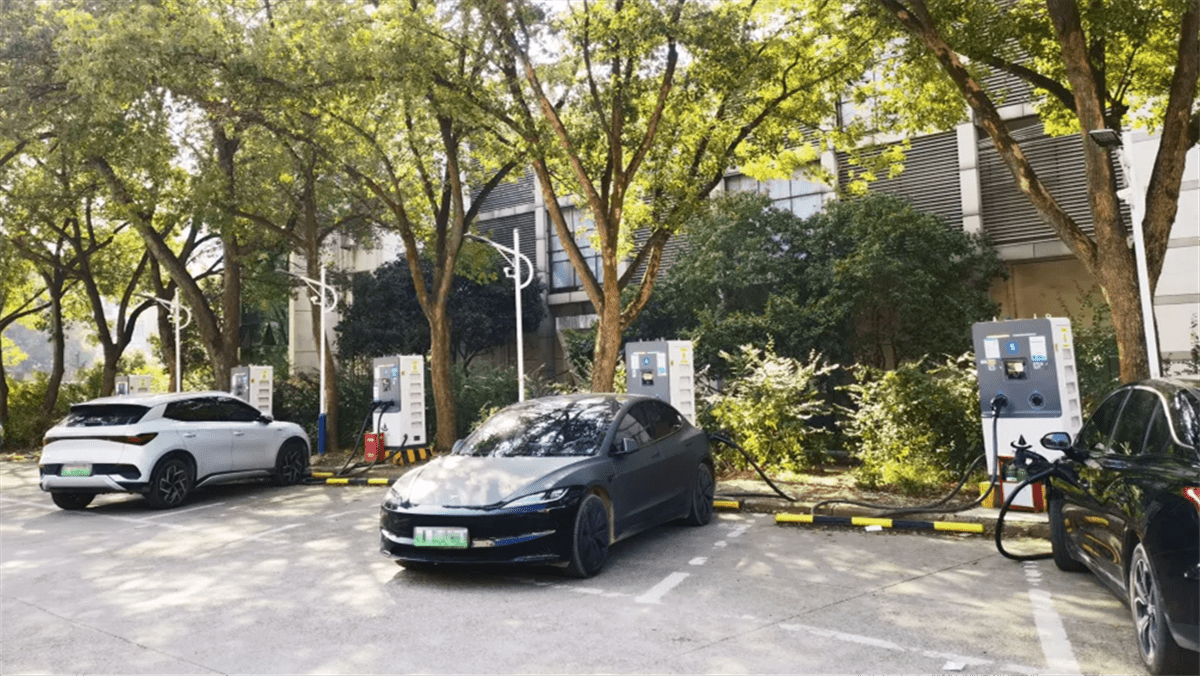
2. Modular Design for Smooth Expansion
Allows flexible power increase as needed, reducing initial investment pressure.
3. Liquid-cooled Terminal for Extreme Speed
Supports 600A/600kW output for a 300km range in 5 minutes, compatible with Ultra-Chaoji standards for heavy vehicles.
4. Cloud Platform for Data Security
Ensures data security with self-operation and smart monitoring. Supports user APPs for better experience and management.
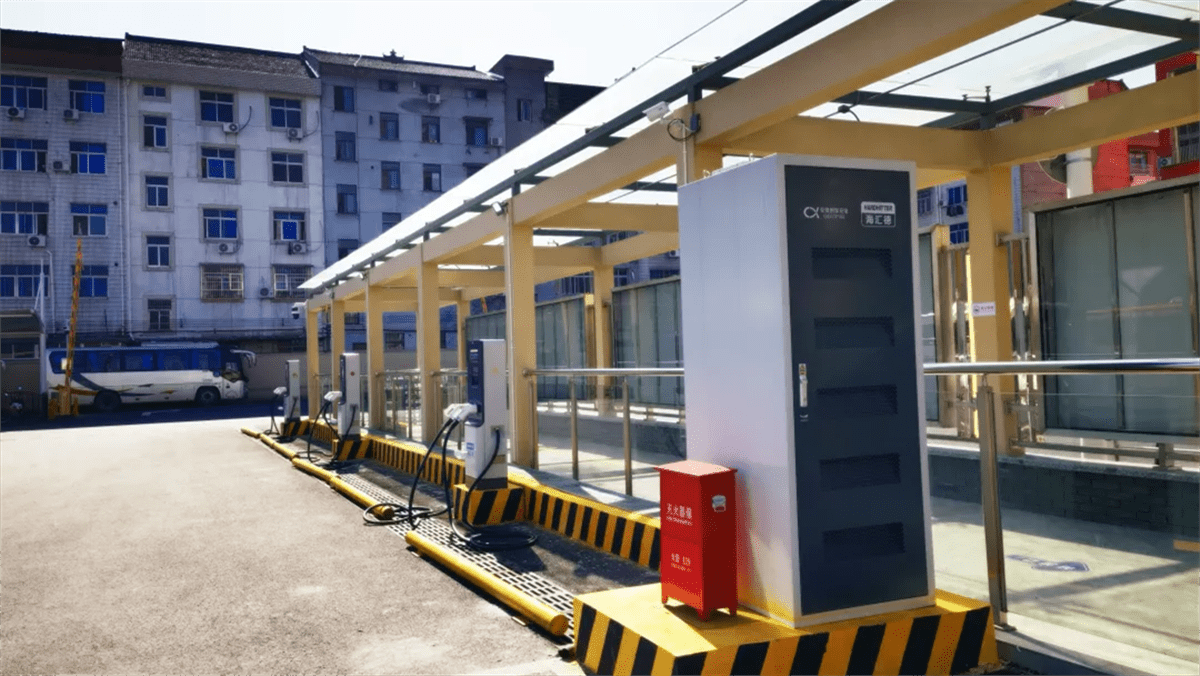
5. High Safety and Stability
Full protection mechanisms and high-quality materials ensure reliable operation. HARDHITTER offers one-stop solutions from planning to O&M.